Inspection & Testing

    Mineral and metal inspection, sampling and laboratory testing

    Precious metals, base metals, battery minerals, the 3T ores, bulk ores and specialty minerals — inspected at source, sampled under supervision and tested by accredited laboratories, with results addressed to you, not the seller.

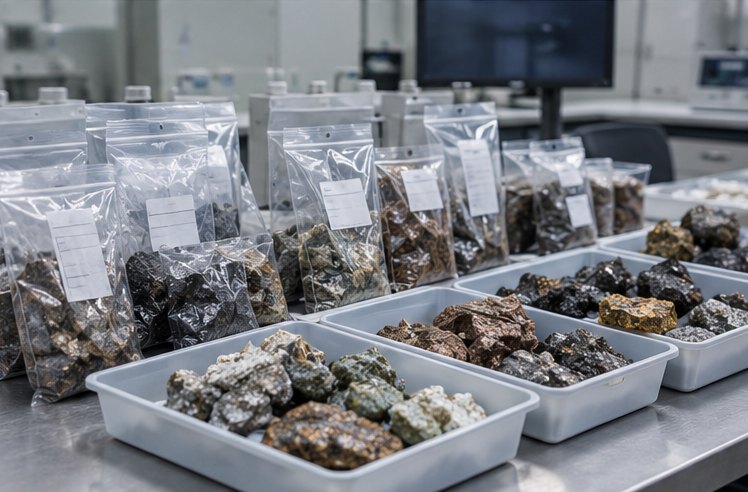
    Mineral samples prepared for laboratory analysis

    What most buyers never check

    A gold bar can pass the scale, the density test and a surface reading — and still be mostly tungsten.

    Tungsten is almost exactly as dense as gold — 19.25 g/cm³ against 19.32 — and costs a tiny fraction of the price. Under a thick gold skin it weighs right, measures right and reads as gold on the outside. The surface is real. The inside is not.

    Before your next purchase, ask

    Has anyone tested this gold below the surface, from a sample I saw taken?

    If the only evidence is a surface reading, or a certificate for a sample nobody watched being cut, you do not yet know what you are paying for.

    Nairank Global inspectors weigh and seal the lot in front of both parties, take samples from the body of the metal, and send them to an ISO/IEC 17025-accredited laboratory for fire assay, with the certificate issued in your name.

    Laboratory testing

    Concentrates and ores are settled in the laboratory

    Copper concentrate, cobalt hydroxide and the 3T and battery-mineral ores are bought on their laboratory grade. Our laboratory specialists manage the work with independent laboratories accredited to ISO/IEC 17025, from sealed sample to certificate — and the certificate is addressed to you. Standards we work with.

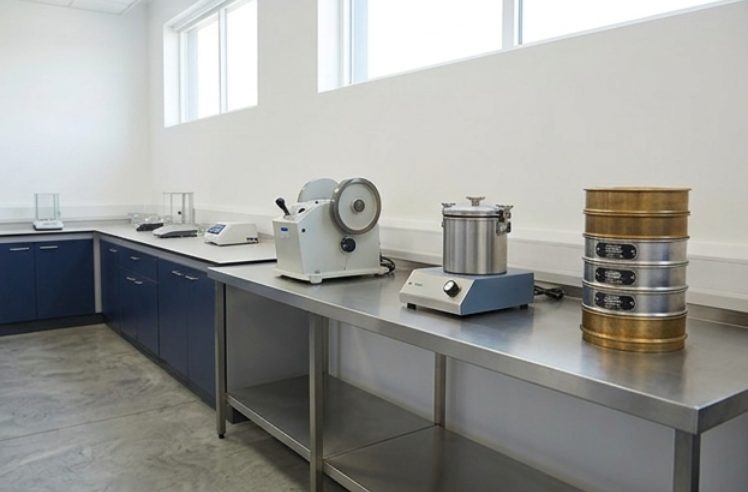
    Sample preparation laboratory with jaw crusher, pulveriser and sieves

    Precious metals

    Gold doré, refined gold, silver and the platinum group metals — tested on site to screen the lot, and assayed in the laboratory for the figure a sale is settled on.

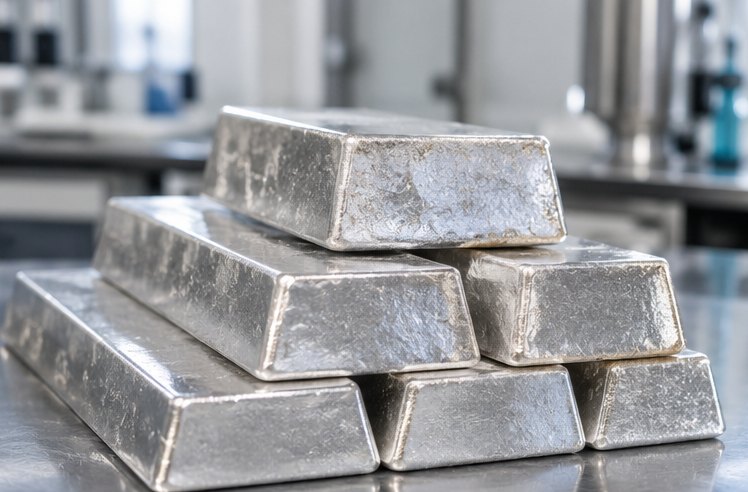
    Silver bars on a laboratory bench

    Methods and standards: Fire assay (ISO 11426 for gold alloys); laboratories accredited to ISO/IEC 17025; LBMA Good Delivery listings confirmed with LBMA.

    Gold doré and refined gold

    Request testing
    Inspection and sampling
    Bar count, weight and marks; XRF, acid and density screening; witnessed melt and drill or melt sampling; sealing.
    Laboratory parameters
    Gold and silver fineness (‰), weight, deleterious elements where the refiner specifies them.
    Inspection and sampling
    Bar or lot identification, weighing, XRF screening and sealed sampling.
    Laboratory parameters
    Silver content by fire assay or titration; impurities against the agreed specification.

    Platinum group metals

    Request testing
    Inspection and sampling
    Lot identification, weighing and supervised sampling of concentrates, catalysts or bars.
    Laboratory parameters
    Platinum, palladium, rhodium and the other metals the contract prices, by fire-assay collection and ICP.

    Base metals

    Copper, zinc and lead concentrates are paid on laboratory grade and dry weight, so representative sampling and moisture determination decide the money. Cathode is checked against its brand and specification.

    Copper concentrate in a laboratory dish

    Methods and standards: Concentrate sampling with reference to ISO 12743:2021; laboratory analysis under ISO/IEC 17025 accreditation; cathode against the contract specification (for example LME Grade A).

    Copper concentrate

    Request testing
    Inspection and sampling
    Lot identification, weighing, increment sampling across the lot, moisture samples at the time of weighing, split samples sealed for buyer, seller and umpire.
    Laboratory parameters
    Copper %, moisture, gold and silver credits, and penalty elements such as arsenic, antimony, bismuth, mercury and fluorine.

    Copper cathode

    Request testing
    Inspection and sampling
    Bundle count and weight, producer brand and lot marks, surface condition, XRF screening.
    Laboratory parameters
    Copper purity and impurities against the contract specification.

    Copper wire and scrap

    Request testing
    Inspection and sampling
    Grading at the yard against the contract grade, contamination and insulation checks, witnessed baling and weighing.
    Laboratory parameters
    Copper content and contaminants by XRF screening and, where required, laboratory analysis.

    Zinc and lead concentrate

    Request testing
    Inspection and sampling
    Weighing, increment sampling and moisture determination.
    Laboratory parameters
    Zinc or lead %, silver, moisture, and penalty elements such as iron, silica, cadmium and mercury.

    Battery and critical minerals

    Cobalt, lithium and graphite — newer trades where buyers often have least history with the seller and where impurities can make a lot unusable for refining.

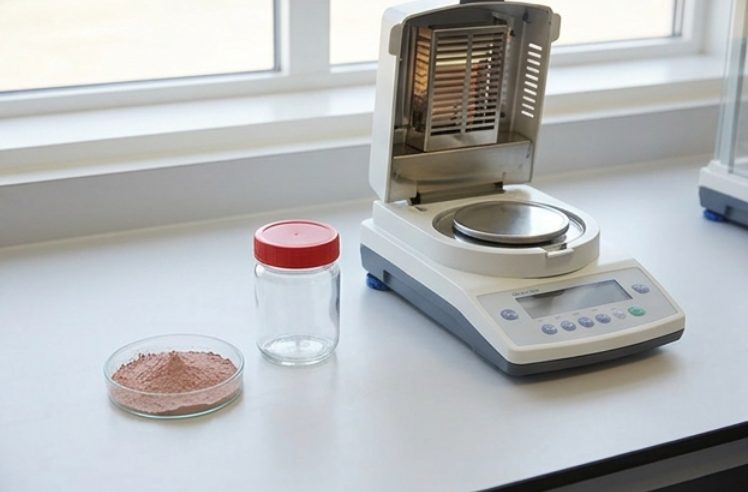
    Cobalt hydroxide sample beside a moisture analyser in the laboratory

    Methods and standards: Laboratory analysis under ISO/IEC 17025 accreditation; industry sampling and analysis procedures for cobalt hydroxide; responsible-sourcing checks with reference to the OECD Guidance.

    Cobalt hydroxide and concentrate

    Request testing
    Inspection and sampling
    Bag count and weight, supervised sampling, moisture samples, reconciliation of the lot with export documents.
    Laboratory parameters
    Cobalt %, moisture, and impurities such as manganese, magnesium, copper and uranium.

    Lithium ores and concentrate

    Request testing
    Inspection and sampling
    Stockpile or bag inspection, tonnage check, supervised sampling.
    Laboratory parameters
    Li₂O %, iron oxide, mica and other impurities, moisture.
    Inspection and sampling
    Lot identification, packing and weight check, supervised sampling.
    Laboratory parameters
    Fixed carbon, flake-size distribution, ash and moisture.

    3T minerals

    Tantalum (coltan), tin (cassiterite) and tungsten (wolframite) — Great Lakes ores where traceability and the regional certificate matter as much as grade.

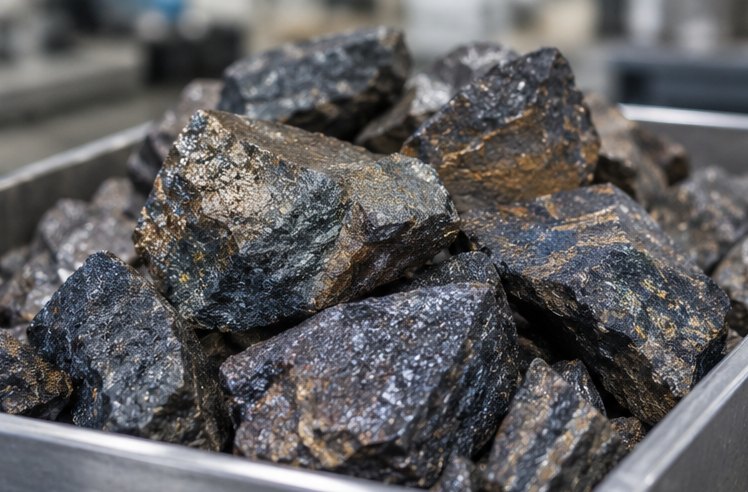
    Coltan ore samples

    Methods and standards: OECD Due Diligence Guidance; ICGLR Regional Certification Mechanism certificates confirmed with the issuer; laboratory analysis under ISO/IEC 17025 accreditation.

    Coltan / tantalite

    Request testing
    Inspection and sampling
    Bag count, weight and tag check, supervised sampling, traceability and certificate records reconciled with the lot.
    Laboratory parameters
    Ta₂O₅ and Nb₂O₅ %, and radioactivity for transport.

    Tin (cassiterite)

    Request testing
    Inspection and sampling
    Bag count and weight, tag check, supervised sampling.
    Laboratory parameters
    Tin %, moisture and impurities.

    Tungsten (wolframite)

    Request testing
    Inspection and sampling
    Bag count and weight, tag check, supervised sampling.
    Laboratory parameters
    WO₃ % and impurities.

    Industrial and bulk minerals

    Iron ore, manganese and chrome move in large tonnages, where the stockpile survey and the loading are where quantity and quality are lost.

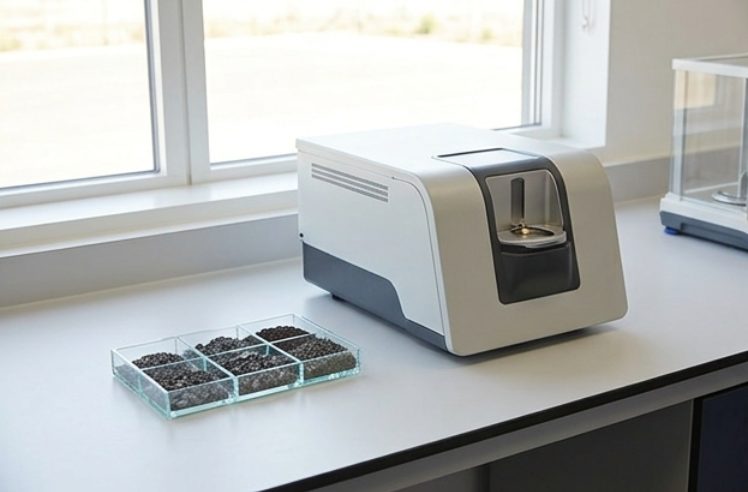
    Crushed iron ore sample beside a benchtop XRF analyser

    Methods and standards: Bulk sampling and laboratory analysis under ISO/IEC 17025 accreditation, against the contract specification.

    Inspection and sampling
    Stockpile survey, tonnage check, sampling and witnessed loading.
    Laboratory parameters
    Fe %, silica, alumina, phosphorus, sulphur, moisture and size grading.

    Manganese ore

    Request testing
    Inspection and sampling
    Stockpile survey, sampling and witnessed loading.
    Laboratory parameters
    Mn %, iron, silica, phosphorus, moisture and size grading.
    Inspection and sampling
    Stockpile survey, sampling and witnessed loading.
    Laboratory parameters
    Cr₂O₃ %, chrome-to-iron ratio, silica and size grading.

    Specialty minerals

    Rare earth concentrates and other specialist materials, where the value lies in specific elements and the analysis must be matched to them.

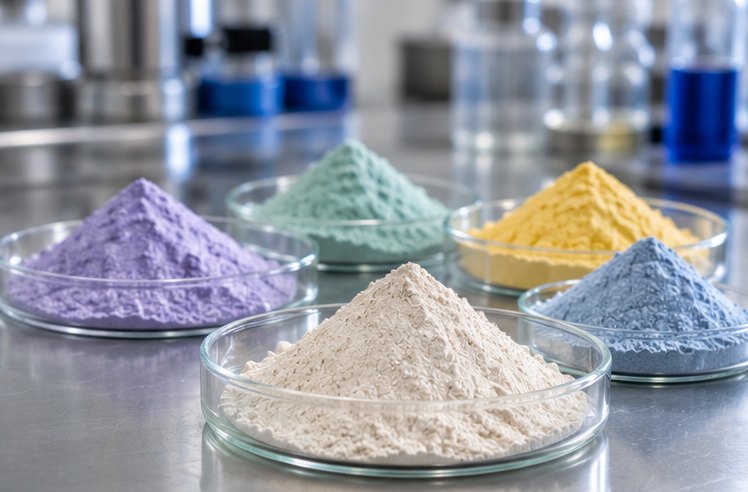
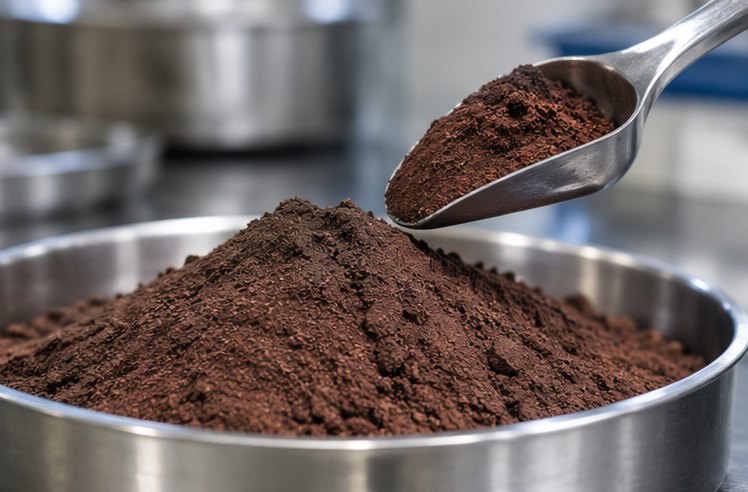
    Rare earth oxide powders in laboratory dishes

    Methods and standards: Laboratory analysis under ISO/IEC 17025 accreditation; export authorisations confirmed with the issuing authority.

    Rare earth concentrates

    Request testing
    Inspection and sampling
    Lot identification, weight check, supervised sampling, radioactivity screening for transport.
    Laboratory parameters
    Total rare earth oxide (TREO), the distribution of the individual oxides priced, uranium and thorium.

    Questions about mineral testing

    Which minerals and metals does Nairank Global inspect and test?

    Gold and silver, platinum group metals, copper (concentrate, cathode, wire and scrap), zinc and lead concentrates, cobalt, lithium, graphite, coltan, tin, tungsten, iron ore, manganese, chrome and rare earth concentrates. For anything else, describe it in the request.

    Why is representative sampling important for copper concentrate?

    Copper concentrate is paid on laboratory grade and dry weight. If the sample does not represent the whole lot, the laboratory result — however accurate — moves money between buyer and seller. Sampling across the lot, with moisture taken at the time of weighing, is what makes the result fair.

    How can cobalt hydroxide quality be verified?

    By supervised sampling of the bagged lot, moisture determination, and laboratory analysis of cobalt content and the impurities refiners penalise, such as manganese, magnesium and copper — with the lot reconciled to its export documents.

    What is the difference between on-site testing and laboratory testing?

    On-site testing — handheld XRF, density, acid tests — screens a lot quickly. Laboratory testing on a representative, sealed sample produces the figures a contract is settled on. Concentrates and ores should always be settled on laboratory results.

    Who carries out the laboratory work?

    Nairank Global’s laboratory specialists manage the work with independent laboratories accredited to ISO/IEC 17025 for the test required. Certificates are addressed to the client, not to the seller, and name the laboratory and method.

    Where in Africa do you inspect and test minerals?

    Field teams are based in Tanzania, Kenya, Uganda, Zambia, DR Congo, Ghana, Sierra Leone and travel to wherever in Africa the material is held — mines, stockyards, warehouses and ports.

    Do you buy or sell minerals?

    No. Nairank Global is independent of buyers and sellers. Its fees are outcome-neutral: they are the same whether or not the transaction proceeds. We act for the client alone.

    Related: gold testing, assay and inspection · copper sampling and laboratory testing · mine, warehouse and stockpile inspection · copper suppliers in Zambia · standards and quality

    Tell us what the lot is and where it is held

    We return a scope, the sampling plan, the laboratory and a fee, usually within one working day.