Tanzania · Kenya · Uganda · Zambia · DR Congo · Ghana · Sierra Leone
Gold assay and inspection services in Africa
Gold and other minerals tested, assayed, melted under supervision, valued and inspected wherever they are kept.
Nairank Global has testers and inspectors in seven African countries who travel anywhere on the continent. Each piece of gold goes through three field methods before it is sealed; accredited laboratories carry out the fire assay; copper and other minerals are counted, weighed and sampled at the mine or warehouse.
Records we check at source
- BRELA
- BRS
- URSB
- PACRA
- RCCM
- ORC Ghana
- CAC
- CIPC
- Mining Cadastres
- ICGLR
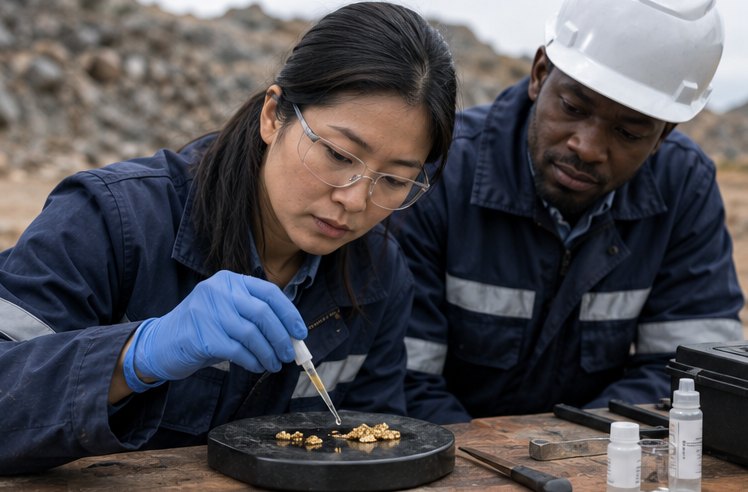
Field testing, then laboratory assay — one unbroken custody chain
Testing on site settles the first question before anything is moved: is the metal what the seller claims? Fire assay settles the second: how much gold, precisely, is in it? That second figure is the one a sale is paid on. Nairank Global keeps the two connected — the same tester who examines and seals the lot also takes and seals the laboratory sample, so the laboratory certificate describes the very gold you are buying.
Seven bases
Tanzania, Kenya, Uganda, Zambia, DR Congo, Ghana and Sierra Leone, with teams sent across Africa
Three field methods
Every piece read by XRF, acid and density; fire assay done in the laboratory
Sealed and recorded
Calibrated scales, numbered seals and photographs taken by our own staff
Addressed to you
Results reported only to the client; laboratory certificates issued in the client’s name
What you can commission
Every service has a page of its own covering method, limits, timing and the report. Choose one below and the form opens with it already selected.
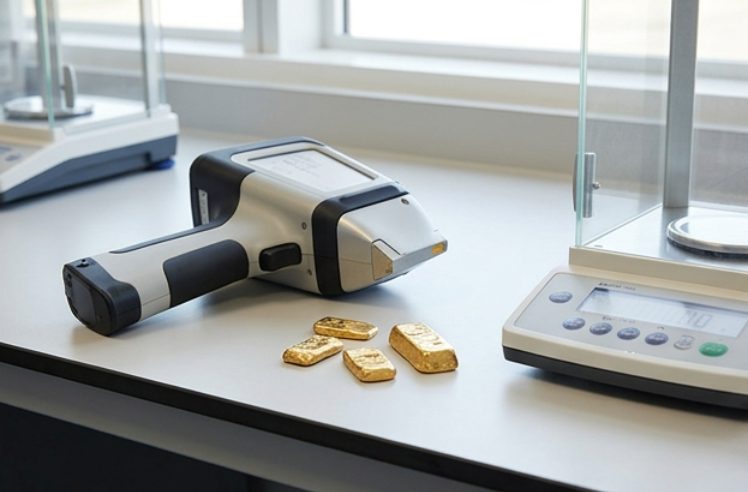
Gold Testing & Assaying
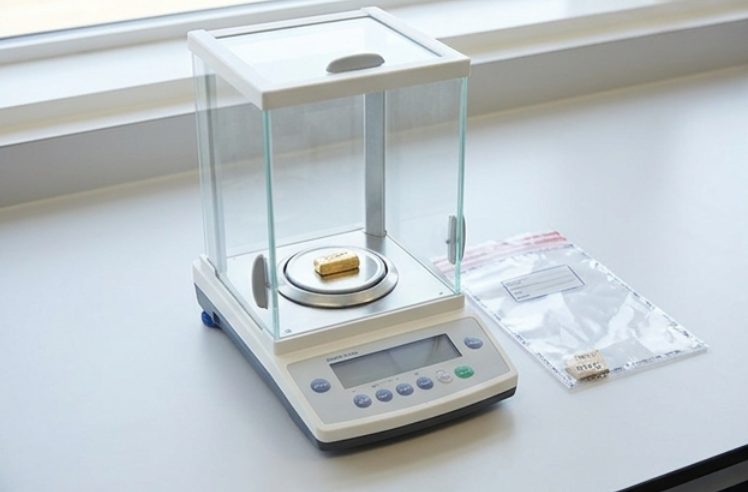
Our tester goes to the gold and puts every piece through XRF, acid and density checks. The lot is weighed on a calibrated scale and sealed, and a sample is taken for fire assay whenever the price depends on content.
Read the service page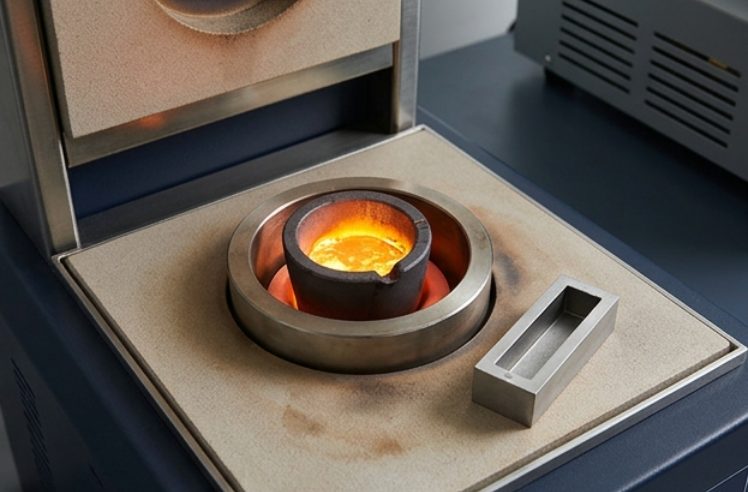
Gold Melt Supervision & Sampling
Raw gold cast into a bar at a licensed facility while our tester watches: weight in, a sample from the melt, weight out, then the bar numbered and sealed — so it carries its own assay when it changes hands.
Read the service page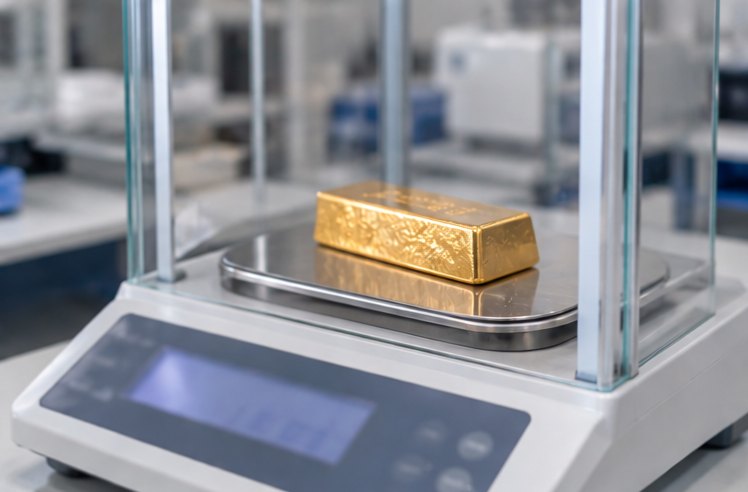
Gold Valuation
What the fine gold in a lot is worth, worked out from the weight we recorded, the tested or laboratory fineness and the LBMA Gold Price on the agreed date, with the full calculation shown.
Read the service page
Company & Mining-Licence Verification
The supplier’s entry obtained from its country’s companies registry, and every mining, dealer or export licence checked with the authority that granted it, in any African country.
Read the service page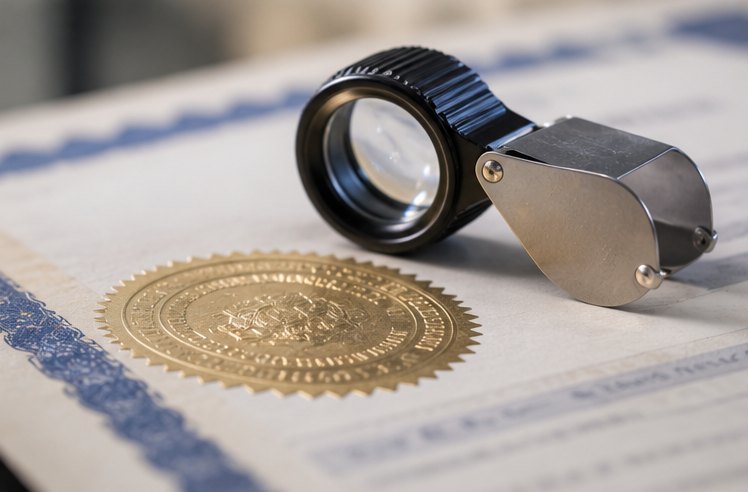
Document & Certificate Verification
Assay certificates, permits, certificates of origin and vault receipts confirmed with the issuer on contact details we find ourselves, then compared with the lot being offered.
Read the service page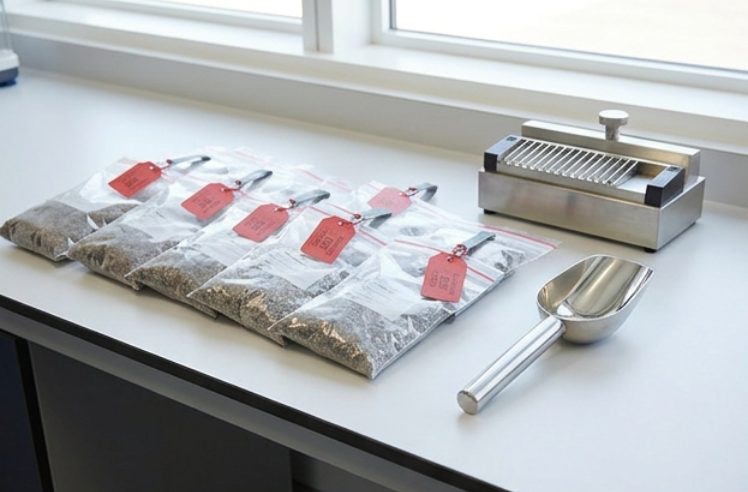
Mine, Warehouse & Stockpile Inspection
Our inspector attends the site — mine, warehouse or stockyard — sees the operation running, counts, weighs and seals the material, photographs everything and is present at loading if asked.
Read the service page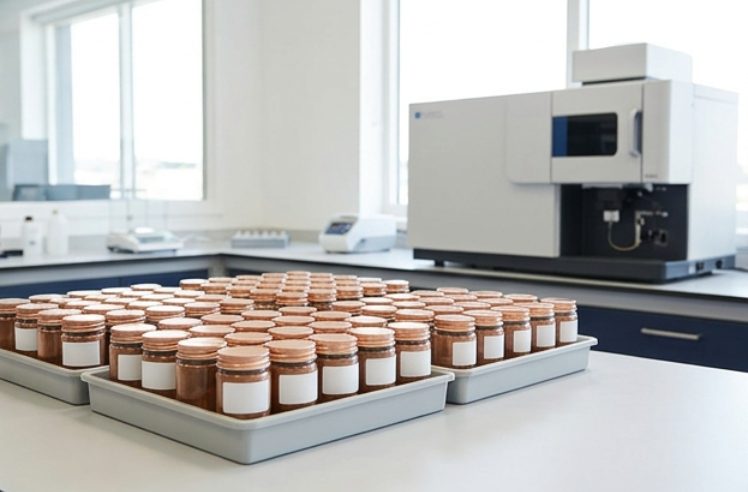
Copper & Base-Metal Sampling and Lab Testing
Cathode, concentrate and scrap sampled by our own inspectors, sealed at the site and taken to an accredited laboratory, which issues its certificate in your name.
Read the service page
Enhanced Due Diligence
For larger mandates: court records, sanctions and PEP screening, adverse media, ownership followed to the people in control, trade references and discreet confirmation that premises exist.
Read the service page
Due Diligence Findings & Report
Every finding with its supporting evidence, the supplier’s risk rated against OECD red flags, and a written recommendation with any conditions drafted for the contract.
Read the service page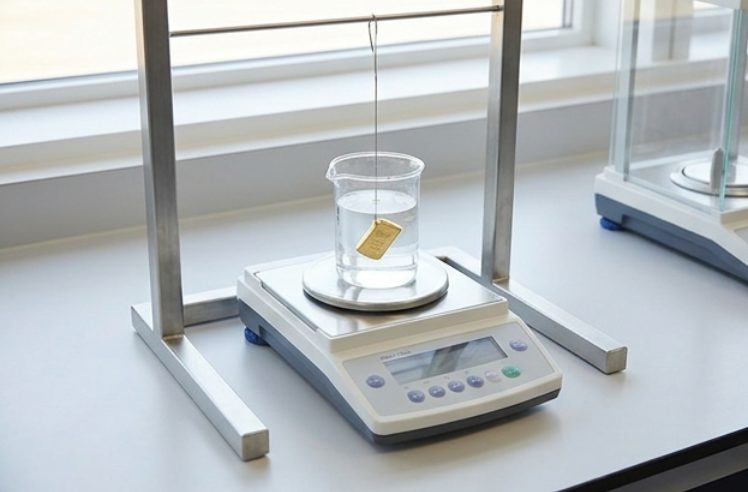
Additional Inspection & Technical Services
Loading or a handover observed and recorded, registry documents collected, or a site visited to settle one question — agreed in writing, anywhere in Africa.
Read the service pageThe gold tests Nairank Global uses
In the field no one test settles the matter. Combined, they catch what each would miss on its own, and the fire assay then supplies the figure the sale is settled on. How the methods compare.
| Method | What the result shows | Carried out |
|---|---|---|
| XRF | Which elements make up the surface and in what proportions — gold, silver, copper and the rest. Quick and leaves no mark, but cannot see under a plated layer. | At the site |
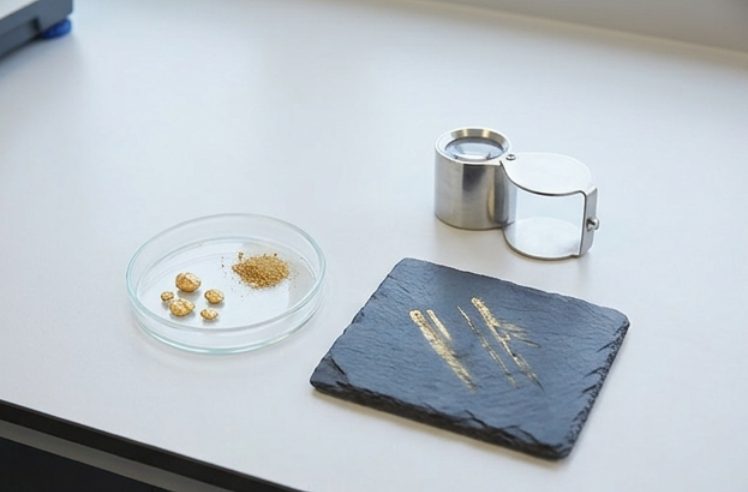
| Touchstone and acid | The fineness of the outer metal, judged by how a streak on the stone reacts to acids of set strengths. | At the site |
| Hydrostatic density | The density of the entire piece, from its weight in air compared with its weight in water. Reveals lighter cores; cannot tell gold from tungsten. | At the site |
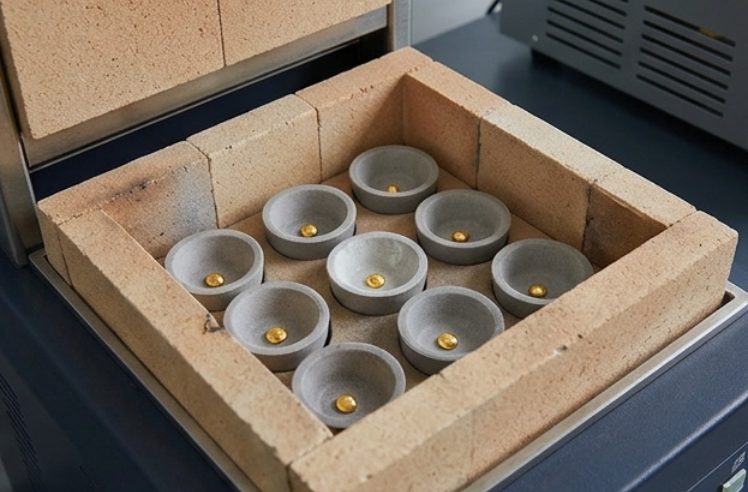
| Fire assay | The gold content of a weighed sample, found by fusion and cupellation — the method sales are settled on. The certificate names the client. | Accredited laboratory |
| Weighing and sealing | Every piece numbered and put on a calibrated scale; the lot and its samples sealed and photographed by the tester. | At the site |
Who asks us to test gold
Buyers
Proof of what the lot really is, collected by someone working only for them, before any payment or deposit.
Sellers
An independent record of readings, weights, seals and photographs that a buyer or refiner can accept instead of starting again.
Refiners and dealers
Doré, bars, nuggets and scrap examined where they are collected, with a laboratory assay when content decides the price.
How an engagement runs
- STEP 01
Brief
Tell us the material, its form, where it is kept, how much there is and when you need the work done.
- STEP 02
Scope and terms
The tests, the tester, the date and the laboratory are agreed in writing before anyone sets off.
- STEP 03
Attendance
Each piece numbered, weighed and put through three methods; the lot sealed; an assay sample taken where needed.
- STEP 04
Report
Readings on the day, the written report within one working day, and the laboratory certificate issued to you.
Copper, cobalt and other minerals
Cathode bundles are checked one at a time for the producer’s marks, the count, the weight and their condition, with XRF and, if the contract asks for it, samples for chemical analysis. Concentrate and cobalt hydroxide are sampled right across the lot for grade and moisture, since together they set the payable weight. Wire and scrap are graded in the yard against the contract before they are baled.
Ores of tin, tantalum and tungsten are counted, weighed and sampled, and each bag’s tags and traceability papers are matched to the bag itself. Copper sampling, step by step · Testing other minerals and metals.
Gold testing near you
Our teams in Tanzania, Kenya, Uganda, Zambia, the DR Congo, Ghana and Sierra Leone visit mines, dealers, vaults, bonded warehouses, airports and ports, and take their equipment to any other African country when needed.
What the report gives you
Weights and readings for every piece, the scale used and its calibration, the seal numbers and photographs taken by the tester, sent to the client and no one else — together with the laboratory certificate in the client’s name when an assay is part of the job.
Book a test or an inspection
Pick a service, then say where the goods or the supplier can be found. A scope, a date and our terms come back to you.
Questions about testing and inspection
How does on-site gold testing differ from a gold assay?
On-site testing happens where the gold sits, using XRF, acid and density, and tells you whether the metal matches the seller’s description before it is moved or paid for. An assay is the laboratory figure for gold content, found by fire assay, that a sale is settled on. Nairank Global handles both: the tester examines and seals the lot, and when the price depends on content, a sealed sample travels to an accredited laboratory.
Are the testers Nairank Global staff?
Yes. Nairank Global employs its own testers and inspectors in Tanzania, Kenya, Uganda, Zambia, the DR Congo, Ghana and Sierra Leone. Each reading is taken by them in front of both parties, and the results go to the client only.
Which methods do you use on gold?
Three in the field — XRF for the elements present, touchstone and acid for the fineness of the surface, and hydrostatic density for the whole piece — then laboratory fire assay for the figure the sale is settled on.
Why three methods and not one?
XRF and acid only see the outer metal, so a plated piece can pass both. Density measures the entire piece but cannot separate gold from tungsten. Together they cover each other’s blind spots, and when they disagree the lot is not passed on site.
Where can you test?
Across Africa. Our field teams are based in seven countries and travel to wherever the material is kept — a mine, a dealer, a vault, a bonded warehouse, an airport or a port. Tell us the location and the date goes into the scope.
Do you test copper, cobalt and other minerals?
Yes — copper cathode, concentrate, wire and scrap; cobalt hydroxide; ores of tin, tantalum and tungsten; and other industrial minerals. We count, weigh, sample and seal them, and send samples for laboratory analysis when the contract requires it.
What does the report contain?
The weight and readings for each piece, the scale that was used, the seal numbers and our tester’s own photographs, plus the laboratory certificate in your name whenever an assay forms part of the scope.
Can the gold be tested before I release payment?
Yes — that is what the service is for. The lot is tested and sealed at its location, and the readings reach you before you pay anything.
Which forms of gold do you test?
Doré, cast bars and ingots, nuggets, river and alluvial gold, gold dust, jewellery and scrap. Not sure which you have? Say so in the request and the tester notes the form when they arrive.
Do sellers and refiners use the service?
Yes. A seller can give a buyer our independent record as evidence of the lot, and refiners and dealers commission checks on material arriving at their door before they accept it.
Can you witness a melt?
Yes. Our tester sees the material weighed in, melted at a licensed facility and sampled from the melt, then sees the bar weighed, numbered and sealed. The weight in and the weight out are both recorded.
How is a gold valuation calculated?
We take the weight we recorded, multiply it by the fineness we tested or the laboratory confirmed, convert the result to troy ounces and price it on the LBMA Gold Price for the date agreed. The calculation is shown line by line.
How is an engagement agreed?
Job by job: the location, the quantity, the checks you want and any need for fire assay decide the scope. Use the form on this page or write to us, and a scope, a date and our terms follow.
How long does it take?
You receive readings during the visit and the written field report within one working day. A fire assay follows the laboratory’s schedule, typically within a working week.
How do I book?
Use the request form on this page: choose the service, describe the material, say where it is kept and roughly how much there is. Or email us the same details.
Arrange testing or an inspection
Describe the material, where it is kept and how much there is. A scope, a date and our terms come back within one working day.