Supplier due diligence in Africa: pre-contract checks for mineral buyers
Registry and licence verification, mine and warehouse inspection and independent assay, carried out at source anywhere in Africa from our bases in Tanzania, Kenya, Uganda, Zambia, the DR Congo, Ghana and Sierra Leone. Each mandate is scoped to the transaction.
Records we check at source
- BRELA
- BRS
- URSB
- PACRA
- RCCM
- ORC Ghana
- CAC
- CIPC
- Mining Cadastres
- ICGLR

Independent standard
The Nairank Global Standard
The Nairank Global Standard (NGS) is Nairank Global’s due diligence framework for assessing mineral suppliers, their lots and their documents before a client commits money. About the standard.
- 01
The counterparty
Who you are dealing with, and whether they are who they say they are.
- 02
The material
Whether the lot exists, and what it is — confirmed at source and, where it matters, by laboratory.
- 03
The paperwork
Whether the documents behind the deal stand up.
Step 1 of 2
Request a verification
The supplier, the transaction and the papers you hold.
Documents from the supplier (company registration, licences, assay certificates, permits, invoices, identity papers)
Drop files here, or tap to select them
PDF, DOCX, JPG or PNG (max 10 files · 10 MB each)
Mineral supplier due diligence: the services in a mandate
A mandate can be a single registry search or every service below. Each has its own page setting out method, limits, turnaround and the report.

Company & Mining-Licence Verification
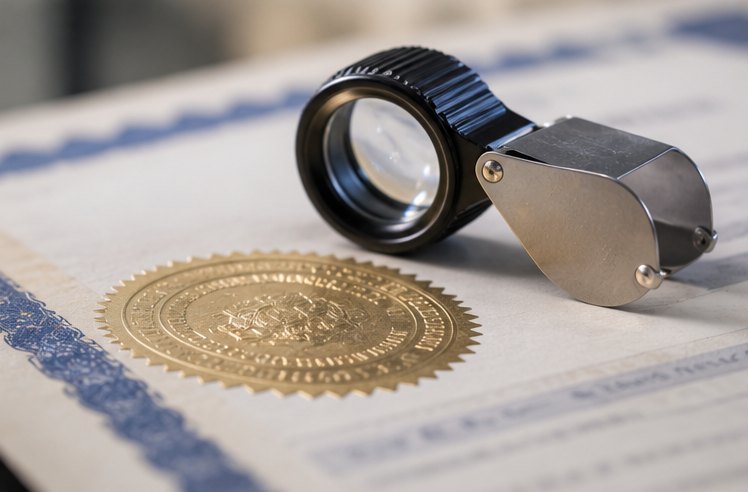
Document & Certificate Verification
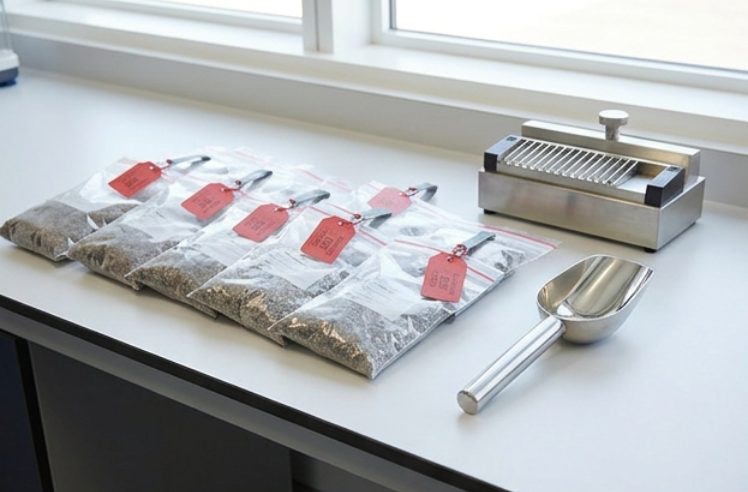
Mine, Warehouse & Stockpile Inspection
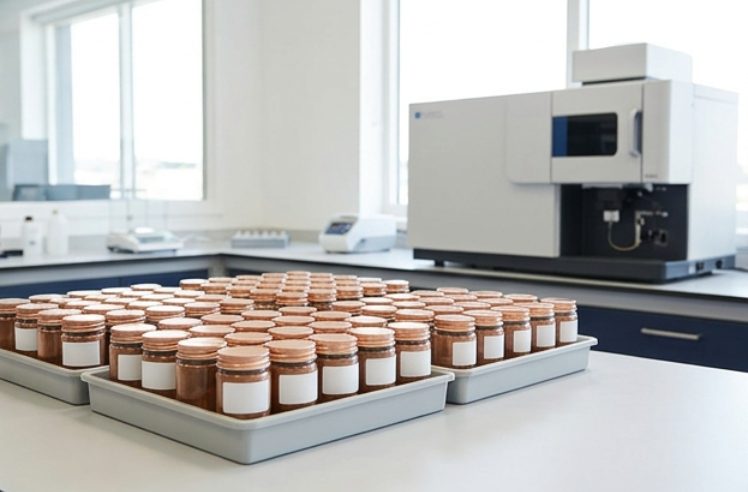
Copper & Base-Metal Sampling and Lab Testing

Enhanced Due Diligence

Due Diligence Findings & Report
If you are unsure which checks the transaction needs, describe it in the form above and we will propose a scope.
Supplier verification in Africa: how an engagement runs
- STEP 01
Brief
Name the supplier, describe the transaction and upload the papers you have been given. Say what concerns you; if you are unsure which checks you need, we will propose them.
- STEP 02
Scope and terms
Within one working day you receive the checks we recommend, who will carry them out, the timetable and our terms. Scoping is free, and nothing starts until you approve it.
- STEP 03
Report and recommendation
Each check is reported with its evidence under the Nairank Global Standard, and closed with a written recommendation.
How we compare
The difference is presence and method: standing field teams across Africa, records taken from the issuer, and one report from verification to contract.
| Capability | Nairank Global | Generic DD firms |
|---|---|---|
| How the scope is set | Per transaction, approved by you | Standard package |
| Records-only checks | 3–5 business days | Often 1–3 weeks |
| African registries searched in person where not online | Yes | No |
| Standing field teams in seven African countries | Yes | No |
| Inspection of the mine or warehouse by our own staff | Yes | No |
| Samples drawn by us, certificate addressed to you | Yes | No |
| Ownership tracing and court records | Yes | Sometimes |
| Sanctions, PEP and adverse-media screening | Yes | Yes |
What you receive
You receive a written report with the evidence behind every finding and, for due diligence, a clear recommendation.
- The written report, addressed to you: what was checked, where, when and by whom, and what was found.
- The evidence attached: registry extracts, licence and cadastre records, issuer confirmations, photographs, seal numbers and laboratory certificates in your name.
- For due diligence, the supplier’s risk rated Low, Medium or High against the OECD red flags, and a closing recommendation: proceed, proceed once conditions are met, or do not proceed on current terms.
Documents we review
We review the documents that apply to this work and confirm each one with the authority or company that issued it.
- Certificate of incorporation and current registry extract
- Tax registration
- Mining or dealer licence
- Mining cadastre record
- Export permit
- Certificate of origin
- Assay certificate
- Safe-keeping receipt (SKR)
- Warehouse receipt
- Sale and purchase agreement (SPA)
How long it takes
Each check has a fixed time, shown below, and site work can start within 48–72 hours of access being confirmed.
| Check | Time |
|---|---|
| Registry and licence check (desk) | 3–5 business days |
| Full supplier due diligence | 7–10 business days |
| Enhanced investigation (beneficial owners, several countries, litigation) | 10–15 business days |
| On-site inspection or testing | Team on site within 48–72 hours after access is confirmed |
| Urgent desk check | 48 hours, on request |
Times start once we have the supplier’s details and, for site work, confirmed access.
How fees are set
Fees are fixed per engagement and agreed before work starts.
They depend on the number of companies and countries, travel to the site, the laboratory tests needed and the urgency. Fees are outcome-neutral: they are the same whether or not the transaction proceeds.
How we work
Four principles govern every Nairank Global engagement.
Evidence at Source
Outcome-Neutral Fees
On-the-Ground Presence
Absolute Confidentiality
Where our teams work
Our field teams are based in seven African countries and deploy from there anywhere in Africa.
| Country | Cities |
|---|---|
| Tanzania | Dar es Salaam, Mwanza, Geita |
| Kenya | Nairobi |
| Uganda | Kampala / Entebbe |
| Zambia | Lusaka |
| DR Congo | Lubumbashi |
| Ghana | Accra |
| Sierra Leone | Freetown |
Due diligence — FAQ
What does due diligence on a mineral supplier cover?
It confirms the supplier is a real, registered company, holds the licence the deal needs, is owned and controlled by the people it names, and has the authority and the material to sell. We check each point against the official record at source and screen the company and its owners against sanctions and adverse media.
How much does supplier due diligence cost?
It is quoted per engagement, because the work depends on the country, the number of parties and whether a site visit is needed. You receive a fixed fee with the scope within one working day; scoping carries no charge and the fee does not depend on the outcome.
How long does supplier due diligence take in Africa?
Full supplier due diligence in Africa takes 7–10 business days. A registry and licence check takes 3–5 business days, an enhanced investigation into beneficial owners, several countries or litigation 10–15 business days, and an urgent desk check 48 hours on request. Times start once we have the supplier’s details and, for site work, confirmed access.
Why are automated KYC and sanctions checks not enough for African mineral deals?
Automated KYC and sanctions checks confirm that a company and its owners are not on a list. They do not confirm that the company holds a valid mining or dealer licence, that it owns the goods it is offering, or that the goods exist and match the grade in the contract. In African mineral deals those are the questions that decide whether the buyer is paying for real material. They are answered at the company registry, the mining cadastre and the licensing authority, and by inspecting and testing the goods where they are held. Screening stays part of the work: it is the first check, not the last.
What should be checked before signing an SPA for African minerals?
Before signing an SPA, confirm the seller, its right to sell and the goods. Check the company at the national registry and identify the people behind it; confirm its mining, dealer or export licence with the issuing authority and the cadastre; and screen the owners against sanctions and adverse media. Confirm each document the seller relies on — assay certificate, safe-keeping receipt, export permit — with its issuer. Then have the warehouse or vault confirm that it holds the lot in the seller’s name, and inspect and test the goods. Finally, check that the parties, mineral, quantity and specification in the draft SPA match what was verified.
How do I check that a mining licence is genuine?
Compare the licence against the national mining cadastre or ministry register, not against a copy the seller sent. We confirm the holder, the mineral, the area, the status and the expiry date at source and note any mismatch with the documents in the deal.
How can I tell if gold deal documents are fake?
Ask the issuer to confirm them directly. We contact the registry, refinery, laboratory, vault or authority that supposedly issued the FCO, SKR, assay certificate or export permit and record whether it confirms the document, its number and its details.
Will the supplier know they are being checked?
Not from the records work, which uses public registries and direct enquiries made in confidence. A site visit or test is arranged with the holder of the material, and we agree with you beforehand what the supplier is told.
What do I receive at the end?
A written report with the evidence for each finding, the supplier’s risk rated Low, Medium or High against the OECD red flags, and a recommendation: proceed, proceed on conditions, or do not proceed. Every engagement is measured against the Nairank Global Standard.
Can you check a supplier outside your seven countries?
Yes. Registry and licence checks can be made in any African country, and our field teams deploy from their bases to wherever a site visit is needed.
Brief us on a counterparty
Brief us on the supplier and the transaction. We return a recommended scope and terms within one working day. Scoping carries no charge.